01 Challenge
Make virtual events feel worth attending
During the early growth of virtual events, clients needed an online conference environment that felt more engaging and high-value than a standard webcast or webinar interface.
Client/Sector: Shiraz Creative / virtual events / WebGL
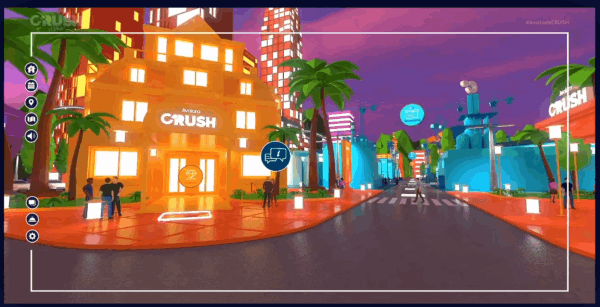
A browser-based conference platform built to feel more like a destination than a webinar, with enough performance work behind it to support real event participation.
Project Snapshot
01 Challenge
During the early growth of virtual events, clients needed an online conference environment that felt more engaging and high-value than a standard webcast or webinar interface.
02 Approach
I worked as a senior developer on a 3D WebGL event platform designed to replicate presence, movement, exploration, and session participation inside a browser-based experience.
03 Execution
My role covered Unity-to-frontend integration, AWS-backed streaming asset delivery, analytics integration, and performance work to help the platform scale for event participation and content-heavy environments.
04 Outcome
The platform became one of the early successful 3D WebGL virtual conference products during the virtual events boom and contributed to award-recognised client delivery.
Technical delivery
Delivering a 3D conference in a browser meant treating WebGL as a product platform, not a desktop build target. Asset weight, memory, loading order, browser integration and event analytics all affected whether attendees could enter and participate reliably.
A virtual venue can exceed browser memory and download budgets very quickly. Scenes, textures, video and interactive content were organised around staged loading and reusable assets so the first meaningful experience arrived before the entire environment. Browser constraints influenced content design from the start rather than becoming a final compression exercise.
The 3D client needed to coexist with ordinary web concerns: authentication and launch context, navigation, external content, analytics and browser focus. JavaScript interop provided the bridge between Unity state and the surrounding site, while hosted asset delivery reduced the size and release coupling of the core WebGL build.
Conference traffic arrives in bursts and attendees use varied hardware. Testing therefore covered load time, memory pressure, quality settings, input behaviour and recovery when an external asset failed. The result demonstrates full product delivery across real-time 3D and the web layer that makes it usable at event scale.
Project summary
The essential product, role and delivery context behind the work.
Short answers for people comparing vendors, project approaches and similar technical work.
It was a browser-based 3D virtual event platform built to support immersive online conference experiences.
It is useful when an event needs spatial presence, branded environments or interactive exploration beyond a standard video call.
This case study supports WebGL development, virtual event platform development and 3D web experience searches.